


The Power of Experiential Learning
Experiential learning allows children to learn through direct experience. For children with special needs, this approach can be particularly beneficial because it engages multiple senses and provides real-world contexts for learning.
Educational trips help learners connect classroom concepts with practical experiences. Seeing animals in their natural habitat, exploring different environments, and participating in group activities create memorable learning opportunities that can enhance understanding and retention.
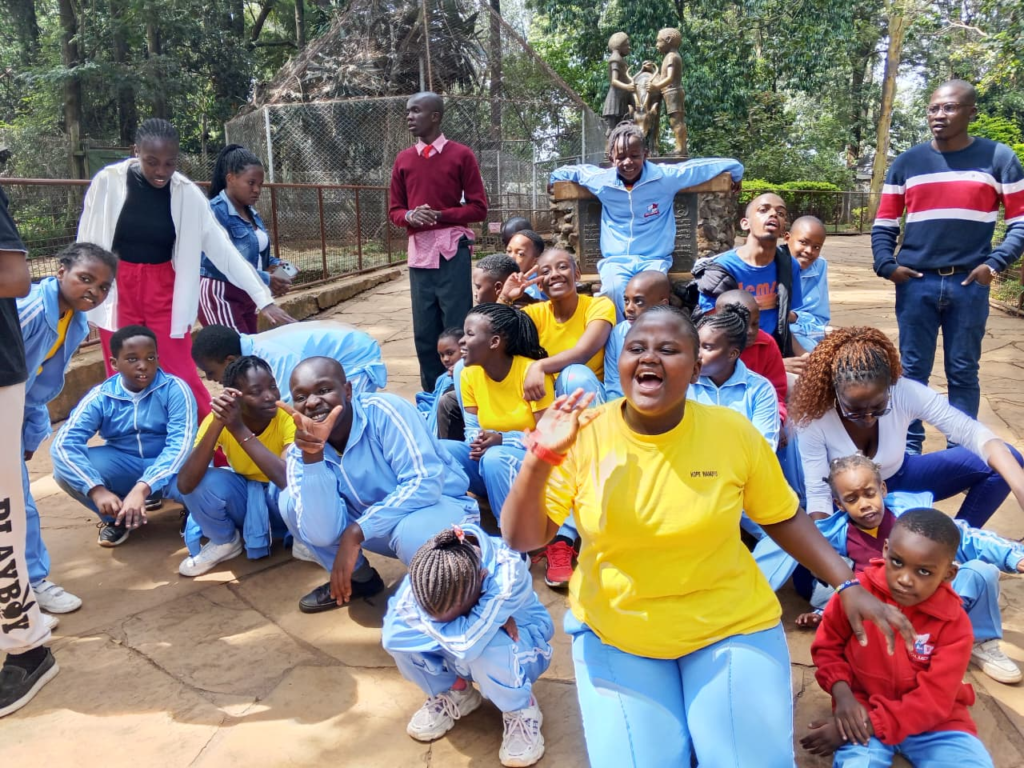
At Nairobi National Park, learners had the chance to observe wildlife, discuss habitats, identify animals, and engage in conversations that reinforced their learning in a meaningful and enjoyable way.
Creating Meaningful Social Connections
Educational trips provide natural opportunities for children to interact with peers, teachers, and members of the community.
For learners with autism and other developmental challenges, these experiences can support:
- Communication development
- Social interaction skills
- Turn-taking and cooperation
- Listening and following instructions
- Building friendships
The excitement shared during the trip encouraged learners to communicate, ask questions, express emotions, and participate in group experiences.
Promoting Independence and Confidence
New environments help children develop confidence and independence.
Activities such as boarding the bus, following schedules, managing personal belongings, and participating in group outings encourage learners to become more self-reliant.
Each successful experience helps build confidence and teaches children that they can navigate new situations with support and guidance.
Many of our learners demonstrated remarkable enthusiasm and independence throughout the trip, making the day both rewarding and memorable.
Supporting Sensory Development
Children with special needs often benefit from carefully planned sensory experiences.
Educational trips expose learners to:
- Natural sights and sounds
- Different textures and environments
- New routines and experiences
- Opportunities for observation and exploration
These experiences help children process information in meaningful ways while expanding their understanding of the world around them.
The sights and sounds of Nairobi National Park provided rich sensory experiences that stimulated curiosity and engagement.
Encouraging Emotional Wellbeing
Learning should be enjoyable.
The smiles, laughter, excitement, and celebrations witnessed throughout the trip highlighted the positive emotional impact of educational experiences outside the classroom.
Positive shared experiences help children:
- Build self-esteem
- Develop emotional resilience
- Feel included and valued
- Create lasting memories
Moments of joy are just as important as academic achievements in supporting a child’s overall development.
Life Skills Beyond the Classroom
Educational trips help children develop practical life skills that will benefit them throughout their lives.
These include:
- Following routines
- Understanding safety rules
- Problem-solving
- Teamwork
- Adaptability
- Decision-making
Such skills are essential for future indepe
Holmeside School’s Commitment to Holistic Learning
At Holmeside School, we believe that every child learns differently and every potential is unique.
Our educational programmes extend beyond academics to include opportunities that support social, emotional, communication, sensory, and life skills development.
Educational trips form an important part of our holistic approach to special needs education, helping learners gain confidence, build relationships, and experience the world around them in meaningful ways.
Our recent visit to Nairobi National Park was a reminder that learning can happen anywhere. Through exploration, discovery, and shared experiences, our learners demonstrated curiosity, resilience, joy, and a love for learning.
Conclusion
Educational trips provide children with special needs opportunities to learn, explore, communicate, and grow in ways that cannot always be achieved within a classroom setting.
Through experiences like our Nairobi National Park visit, learners develop confidence, social skills, independence, and a deeper understanding of the world around them.
At Holmeside School, we remain committed to creating enriching learning experiences that help every child reach their full potent
We’d Love to Hear From You
If you would like to learn more about Holmeside School’s educational programmes, special needs support services, or admissions opportunities, please contact us today.
📞 0715 520 598
Has your child ever participated in an educational trip that made a positive impact on their confidence, social skills, or learning?
What was their favourite part of the experience?
Share your thoughts in the comments below. Your story may encourage and support another family on a similar journey.
This is a beautiful thing, what a way to educate children while at the same time interacting with mother nature. This is commendable.
Great special moments for the special learners!!!kudos!!
This is a wonderful reminder of how educational trips provide meaningful real life learning experiences for children with special educational needs. Such opportunities help learners build confidence, develop social skills, and connect classroom learning to the world around them.